What Recruiters Notice on Your LinkedIn Profile in the First 10 Seconds
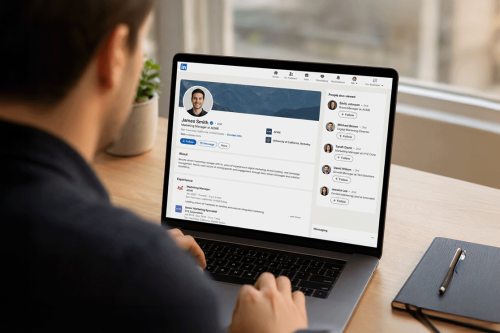
Before a recruiter schedules an interview, there’s a good chance they’re doing something else first:
Looking you up on LinkedIn.
That matters because LinkedIn has become one of the most important recruiting tools in today’s hiring market. Recent recruiting data shows that roughly 90% of recruiters use LinkedIn to source or vet candidates during the hiring process.
And according to Nicole Greer, an HR strategist and instructor who teaches human resources courses at UNC Charlotte, what they find there matters more than many job seekers realize.
“If Taylor Faulkner applies for a job that I am recruiting for, I’m totally going out and looking at her stuff,” Greer said.
That quick profile scan has become part of the hiring process, especially in competitive job markets where employers are trying to narrow large applicant pools quickly. A polished LinkedIn profile won’t guarantee a job offer, but a weak or inactive one can quietly hurt your chances.
Your LinkedIn Profile Is Part of Your Resume Now
Many job seekers still treat LinkedIn like an online filing cabinet: upload a resume once, ignore it for months and hope for the best. Recruiters don’t see it that way. Your profile helps employers answer questions your resume can’t always explain:
- Are you engaged in your industry?
- Do you communicate professionally?
- Are you curious and actively learning?
- Do you seem intentional about your career path?
That last point matters more than ever.
“What do you want to do with your life?” Greer said. “That’s what the recruiter wants to know. That’s what the hiring manager wants to know.”
A disconnected profile with outdated information, no activity and vague skills can make it difficult for employers to understand where you’re headed or whether you’re serious about the role you applied for.
The Biggest LinkedIn Mistake Job Seekers Make
According to Greer and Darby Starnes, an HR strategist and instructor in UNC Charlotte’s Human Resources Exam Prep program, another common problem is passivity.
Many professionals create a profile, but never actually participate on the platform.
“You’ve got to get involved in your community,” Starnes said. “Network.”
That doesn’t mean posting motivational quotes every morning or trying to become a LinkedIn influencer overnight. It means demonstrating that you’re paying attention to your field and engaging with the professional world around you.
For HR professionals and career changers especially, LinkedIn can become proof that you’re actively growing your expertise.
What Recruiters Want to See Instead
Greer recommends starting simple.
First, keep your profile updated. Your headline, skills, and experience should reflect the kind of role you actually want, not just the last job you had.
Second, show signs of professional curiosity.
“You need to post at least twice a week,” Greer said. “Even if you’re 22 years old, start saying, ‘You know what’s really important?’”
Sharing an article, commenting thoughtfully on industry trends, or reflecting on something you learned in a course or certification program can help demonstrate engagement and initiative.
Finally, build real connections.
Starnes said getting involved in professional associations and community organizations can demonstrate that candidates are engaged and invested in their field.
For HR professionals, that might mean attending local SHRM or talent development events, connecting with classmates or participating in online discussions.
Why This Matters More in Today’s Job Market
While Charlotte’s job market remains relatively strong compared to national averages, employers are still being selective. The Charlotte metro unemployment rate has remained around 4% in recent months, reflecting a competitive, but active hiring environment.
In a slower hiring market, employers are looking for signals that candidates are adaptable, engaged and invested in their professional growth.
Your LinkedIn profile has become one of those signals.
For professionals trying to strengthen their positioning, certificate programs can also help demonstrate ongoing learning and career direction. UNC Charlotte’s flexible online Human Resources Certificate program is designed for career changers, early-career HR professionals and experienced leaders looking to expand their expertise and stay current with workplace trends.
Because today, recruiters aren’t just reading resumes. They’re reading between the lines.